















Are Electric Scooters Legal in the UK? The Rules in 2026
Last checked 26 August 2026
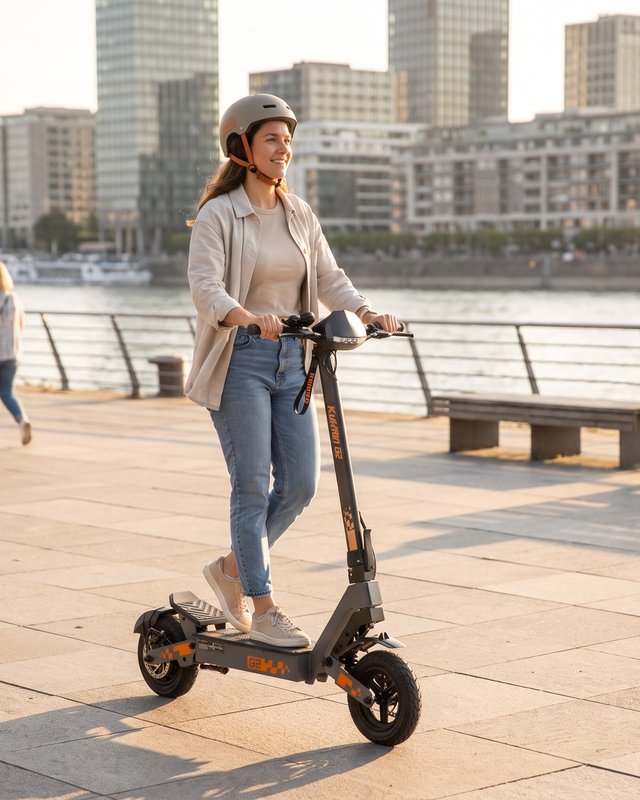
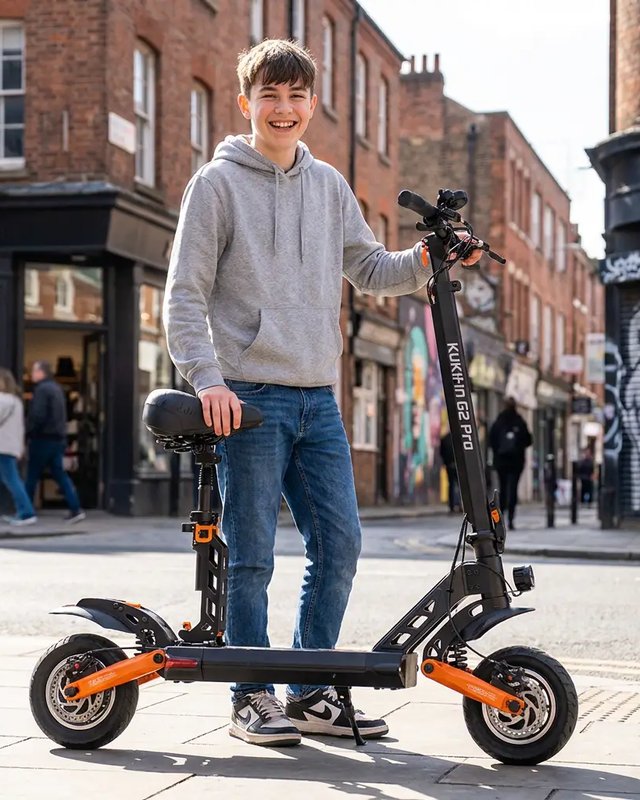
The short answer. It is legal to buy an electric scooter in the UK, and legal to ride one on private land with the landowner’s permission. It is illegal to ride a privately owned e-scooter on any public road, pavement, cycle lane or park in England, Scotland and Wales. The only legal way to ride on a public road is a rented e-scooter inside an official government trial area.
In Northern Ireland it is stricter still. There are no rental trials here, so there is currently no legal way to ride any e-scooter in public — private land only.
This gets asked in our shop most weeks, usually by someone who has just been given a scooter or is about to buy one. The rules are not complicated, but they are widely misunderstood — so here is the position in plain English, with the government sources at the bottom so you can check it yourself.
Why private e-scooters are illegal on the road
In law an e-scooter is a “powered transporter”. That puts it in the same legal bracket as a motor vehicle, which means that to use one on a public road it would need everything any motor vehicle needs: insurance, a registration and number plate, road tax, an approved construction standard, lights and indicators, and a valid licence to drive it.
No mass-market e-scooter can meet all of that. There is no insurance product for them and no type approval. So the practical effect is a ban — not because e-scooters have been singled out, but because they cannot satisfy rules written for cars and motorbikes.
Where you can legally ride
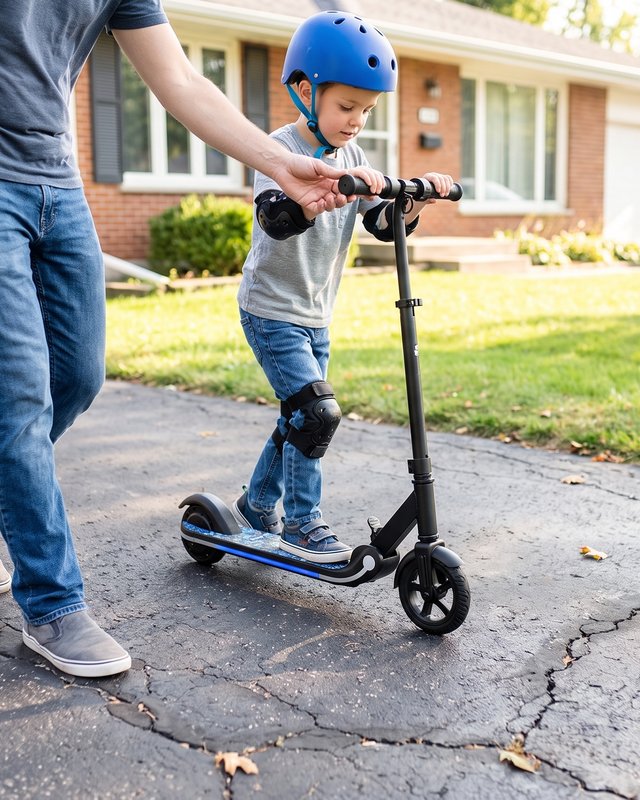
- Private land, with the landowner’s permission. Your own garden or driveway, or someone else’s land if they have said yes.
- Not pavements, roads, cycle lanes, parks, car parks, shopping centres or towpaths — these are public places even when they feel private.
A private car park that the public can enter generally counts as a public place. If in doubt, assume it does.
What happens if you are caught
Riding a private e-scooter in public is treated as using a motor vehicle without insurance. In practice that can mean:
- A fixed penalty notice and a fine
- Penalty points on your driving licence if you hold one — and you can collect points even though you were not in a car
- Seizure of the scooter, which you may not get back
Police forces across the UK run enforcement campaigns and do stop riders. In Northern Ireland the Assembly has approved changes making it easier for the PSNI to seize e-scooters used illegally, and in May 2026 the Infrastructure Minister issued a public warning ahead of the summer.
Rental scooters: the one legal route on public roads
Government-approved rental trials run in a number of towns and cities in England. Inside a trial area you may ride a rented e-scooter on the road and in cycle lanes — but not on the pavement, and not on a motorway. Trial scooters are capped at 15.5mph, are insured by the operator, and you need at least a provisional driving licence.
These trials have now been extended to May 2028 — the fifth extension — while the Department for Transport gathers evidence towards a decision on permanent rules. There are no rental trials in Northern Ireland, which is why there is no legal way to ride in public here at all.
Questions we get asked in the shop
Will the police actually stop me?
Yes, they do. Enforcement varies by area and steps up in summer and after complaints about pavement riding, but forces across the UK have seized thousands of scooters. Riding on a pavement in front of an officer is the most reliable way to be stopped.
Has anyone really been fined?
Yes — fines, penalty points and seizures are all routinely issued. It is not a theoretical offence.
Can a 12-year-old ride an electric scooter?
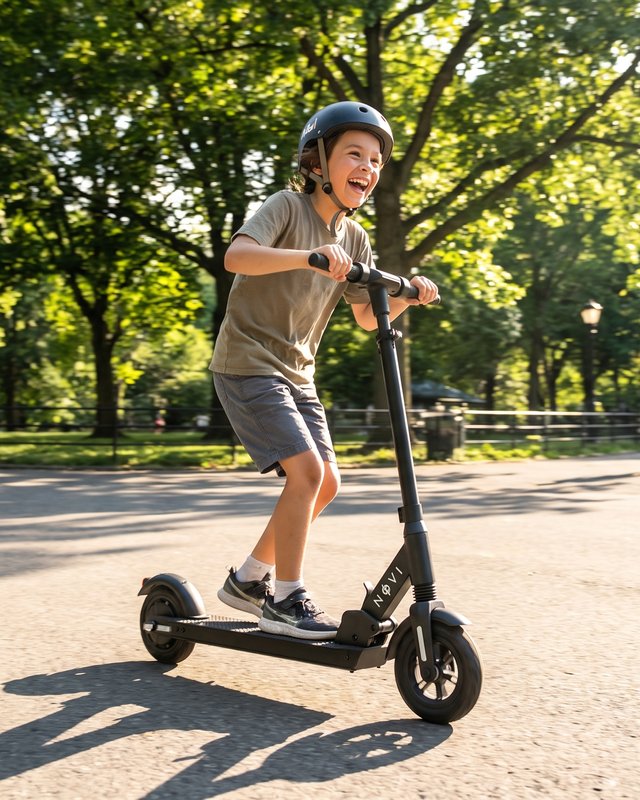
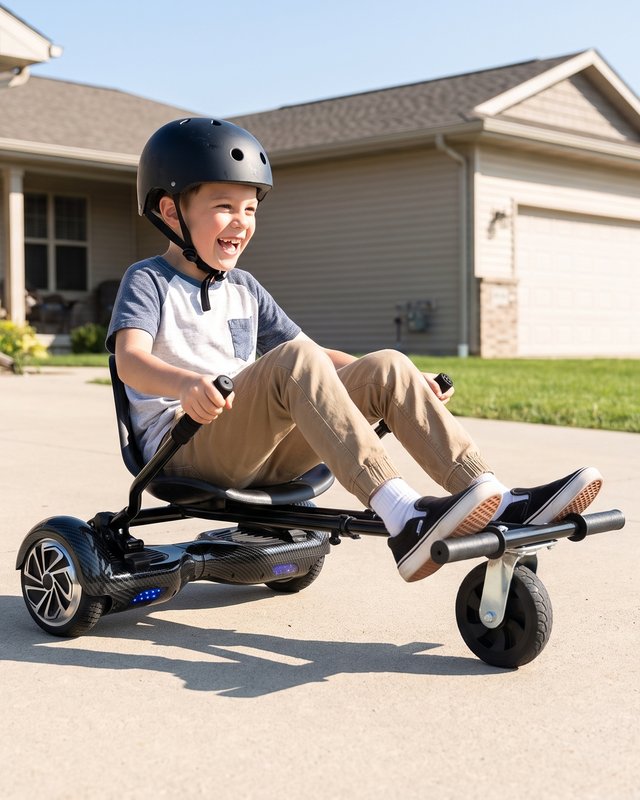
Not in public, no — and not on a rental either, since those need a provisional licence and a minimum age of 16. A child can ride on private land with permission. This is the one people find hardest to hear at Christmas, so it is worth knowing before you buy.
Are e-scooters going to become legal?
Possibly, but not yet. The government has consulted on new rules for powered mobility devices, and the trials now run to May 2028 with the legal framework to be decided on the evidence they produce. Anyone giving you a firm date is guessing.
Does any of this stop me buying one?
No. Buying, owning and selling e-scooters is entirely legal. Plenty of people ride them perfectly legally on their own land, and off-road models are used exactly as intended.
So should you buy one?
That depends honestly on where it will be ridden. If you have land, or you want an off-road machine, an e-scooter is a great buy. If the plan was to commute on pavements and roads, the law is not on your side, and we would rather tell you that before you spend the money than after.
We sell electric scooters, so we could easily have skipped writing this. We would rather you bought the right thing and knew the rules — that tends to be how people end up coming back.
Written by the team at Gorilla Karts, a family-run shop at 26 Lisnanane Lane, Cookstown — 20+ years selling and repairing electric scooters, e-bikes and kids’ ride-ons, with our own workshop on site. If you would rather talk it through with a person than a website, ring us or call in.
This page explains the rules as we understand them on the date above. It is general information, not legal advice — always check the current government guidance linked below before you ride.
Sources
- GOV.UK — Riding an electric scooter: the rules
- GOV.UK — Using a rental e-scooter
- GOV.UK — Rental e-scooter trials
In Northern Ireland? We keep a separate page on the rules here, including how the PSNI are enforcing them: Are electric scooters legal in Northern Ireland?
Looking for something you can legally ride? Our electric scooters can all be seen and tried in the shop in Cookstown.

